The adoption team at Kirton McConkie has decades of experience in navigating private adoptions. Under Utah and Wyoming law, a private adoption (also called independent or direct-placement adoption) is an adoption arrangement where a birth parent places a child directly with an adoptive family without going through state foster care system or an adoption agency.
Who We Help
- Prospective adoptive parents pursuing a private adoption in Utah or Wyoming
- Expectant or birth parents considering placement directly with an adoptive family
- Families who have already identified an expectant/birth parent
- Adoptive families working with a Utah or Wyoming adoption agency for some services but needing independent legal representation
- Utah or Wyoming families adopting a child born in another state
- Out-of-state families adopting a child born in Utah or Wyoming
What Problems We Solve
A private adoption may appear straightforward when an expectant parent and prospective adoptive family have already found one another. But even an agreed adoption can involve important questions about consent, the rights of a biological father, adoption expenses, the potential application of federal statutes and regulations, interstate placement, home-study requirements, and court procedures. Addressing these issues early can help avoid delays or legal complications later in the adoption process.
Once an adoptive match has been made, there are many things that need to be discussed and considered. Private adoption is more than just filing paperwork. The following is an overview of what to consider during each phase of the adoptive placement:
Before placement, you should consider:
- Understanding legal adoption requirements
- Identifying whose consent is required
- Determining the rights of the biological father and any presumed or putative fathers
- Reviewing potential issues if the placement involves a Native American child
- Making plans for the birth mother’s relinquishment and any father who may be involved
- Arranging for counseling or mental health therapy for the birth parents
- Advising about permissible pregnancy and living expenses
- Coordinating with adoption agencies, counselors, hospitals, and other professionals
- Addressing interstate issues before placement
At birth and placement, you should consider:
- Filing the adoption petition
- Birth-parent consent and relinquishment
- Timing and validity of consent
- Hospital coordination
- Placement of the child
- Ensuring that statutory requirements are satisfied
- Interstate Compact on the Placement of Children (ICPC), when applicable
After placement, you should consider:
- Required notices
- Background checks/home-study requirements
- Post-placement requirements
- Addressing unexpected legal issues
- Finalization of the adoption
- Obtaining the amended birth certificate and completing post-finalization matters
How does a private adoption work?
- Adoptive family and expectant/birth parent connect
- Legal issues are evaluated
- Pre-placement requirements are completed
- Child is born
- Consent/relinquishment occurs
- Child is placed with adoptive parents
- ICPC approval occurs when required
- Post-placement requirements are completed
- Adoption is finalized
- Amended birth certificate is obtained
How does a Kirton McConkie adoption attorney help with a private adoption?
Kirton McConkie’s adoption team manages the legal and court requirements to make private, direct-placement adoption valid under Utah or Wyoming law. Once you’ve been matched, our team can review the circumstances of the proposed adoption and identify any potential legal issues. We’ll evaluate the consent requirements, biological-parent rights, Indian Child Welfare Act (ICWA), and interstate and other applicable requirements.
We’ll go over all the necessary paperwork that prospective adoptive parents need to have in place to move forward with the match (ex: home study, background clearances, etc.). We’ll explain when and how the birth parent’s consent or relinquishment can legally occur and coordinate the child’s lawful placement with the adoptive family. We’ll handle the authorization an adoptive parent may need before taking the child across state lines (ICPC), if needed. We’ll file all the appropriate documents with the court to satisfy state procedural requirements and obtain a final adoption decree and complete the remaining steps to get an amended birth certificate for the child after the adoption has been finalized.
Why Legal Representation and Experience Matter
Adopting a child or placing a child for adoption will be one of the most important decisions you will ever make. It is critical that the process go as smoothly as possible. The Kirton McConkie adoption team is frequently sought out by other attorneys who get in over their heads in an adoption case. By retaining Kirton McConkie at the beginning, these issues often can be foreseen and avoided without the worry, expense, or heartache they sometimes cause, which is a benefit that comes with hiring our adoption team that has decades of experience with all types of adoptions.
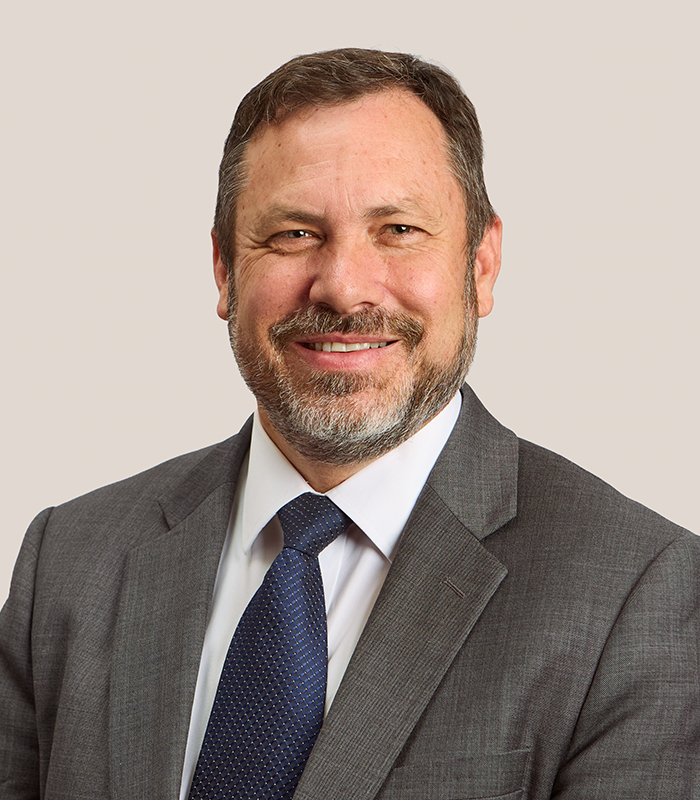
Why Choose Lance Rich and Kirton McConkie
Here are some of the reasons why our adoption team at Kirton McConkie is the most experienced in Utah and Wyoming.
- Lance Rich has over 20 years of experience handling all types of adoption cases in adoptive parents, birth parents, and adoption agencies.
- Lance has been a fellow of the Academy of Adoption and Assisted-Reproduction Attorneys (AAAA) since 2010. AAAA is an academy of highly vetted attorneys dedicated to the competent and ethical practice of adoption and assisted reproduction law. Fellows of AAAA receive ongoing, specialized training to keep up with the latest developments in adoption and assisted reproduction law. Membership in AAAA provides Lance with a network of attorneys throughout the United States and other countries he can use as resources for complex adoption and assisted reproduction issues.
- Lance has national adoption law leadership. Not only is Lance an active member of AAAA, he has served in numerous leadership positions including service on its board of trustees, Adoption Agency Committee, and Adoption Ethics Committee. He has served as president of the Utah Adoption Council and as vice president of the advisory board for United for Adoption, among additional leadership positions in other adoption organizations.
- Lance has shared his knowledge and experience in teaching other attorneys about adoption law. He has taught and presented numerous webinars and workshops for AAAA, the National Business Institute, United for Adoption, the International Society of Family Law, the Utah State Bar, and more.
- Lance has served children and the adoption community in multiple ways, including on the boards of Utah Foster Care, Community Cares, and Gift of Adoption. He strongly believes in advocating for a child’s best interest throughout the adoption process.
- Lance has in-depth knowledge of the laws governing adoptions in Utah and Wyoming. He has been highly involved in many of the legislative and regulatory changes in Utah adoption law over the past two decades and has been involved in many of the key court cases interpreting those laws.
- Lance is supported by two paralegals, each with over 20 years of experience helping form families through adoption. He is also supported by two associate attorneys who are experienced in handling adoption hearings and drafting the paperwork needed to complete a private adoption. Lance and his experienced team provide compassionate and knowledgeable representation to adoptive parents or birth parents in private adoptions.
- Lance has personal experience with adoption. He and his wife adopted their three children, so he can understand and relate to how prospective adoptive parents feel in going through a private placement.
FAQ
Getting Started
- Do I need an adoption attorney for a private adoption in Utah?
Yes. - Do I need an adoption agency to complete a private adoption in Utah?
No. - Can a birth mother choose the adoptive parents for her child in Utah?
Yes. - What should we do after an expectant mother and adoptive family have matched?
If you have not already retained an attorney to help you, now is the time to get one retained to help you navigate the match.
Consent and Birth-Parent Rights
- When can a birth mother consent to an adoption in Utah?
A birth mother can sign a consent to an adoption 24 hours after the birth of her child. - Can a birth mother change her mind after consenting to an adoption in Utah?
Under Utah law, a birth mother has 72 hours to change her mind and revoke consent after signing her consent. However, a birth mother can also choose to waive the 72-hour revocation period and, if she does, her consent becomes irrevocable and she cannot change her mind. - In Utah, does the biological father have to consent to an adoption?
Only a married biological father must sign a consent to an adoption. An unmarried biological father does not have to sign. - What rights does an unmarried biological father have in a Utah adoption?
An unmarried biological father does not have any rights to a child unless he established those rights prior to a birth mother signing her consent to adoption. - What happens if the biological father is unknown or cannot be located?
Nothing, the burden is on the biological father to establish rights to the child.
Expenses and Pre-Placement Requirements
- Can adoptive parents pay for a birth mother’s pregnancy and living expenses in Utah?
Yes. - What adoption expenses can legally be paid in a Utah private adoption?
Under Utah law, adoptive parents can pay for the following expenses on behalf of the birth mother:
– Living expenses ($8,000 maximum – rent, utilities, and out-of-state transportation)
– Weekly expenses ($200 per week for 12 weeks during the pregnancy and four weeks postpartum – food, clothing, local transportation)
– Medical expenses
– Legal expenses
– Mental health counseling ($800 maximum – three sessions during the pregnancy and three sessions postpartum)
- In Utah, do adoptive parents need a home study for a private adoption?
Yes, unless the adoptive parents are related to the child they want to adopt (ex: grandparents, aunts, uncles, and first cousins) then they only need to obtain background clearances.
Interstate Adoption and ICWA
- What happens if the child is born in Utah, but the adoptive parents live in another state?
This is considered an interstate adoption and the Interstate Compact on the Placement of Children (ICPC) must be followed before the adoptive parents can take the child home with them. ICPC is a relatively easy process, it just requires a lot of documentation and time. The ICPC process can take up to 10 business days to complete, and the ICPC packet cannot be submitted to the ICPC offices until after a birth mother has signed her consent and the baby has been discharged from the hospital.
- What happens if Utah adoptive parents adopt a child born in another state?
Utah adoptive parents will usually need a Utah attorney and an attorney in the other state. The Utah attorney will represent the adoptive parents and handle finalization of the adoption in a Utah court and may even prepare all the relinquishment and ICPC paperwork if Utah law is followed. The out-of-state attorney will represent the birth parent. The attorneys will determine which state’s law to use for consenting to the adoption.
- What is ICPC and how does it affect a private adoption?
Every state has an ICPC office that oversees the administration of ICPC. If a child is born in Utah and placed with adoptive parents that live in another state, the Utah ICPC office and the adoptive parent’s state’s ICPC office will oversee that placement and approve the travel of the child from Utah to the adoptive parents’ home in another state. The child is not allowed to enter the adoptive parents’ home state until ICPC approval is received. This also works in reverse if Utah adoptive parents adopt a child in another state. - What happens if a birth parent has Native American ancestry? Does ICWA apply?
Not necessarily. It also depends on if the birth parents are registered members of a tribe and if the child is eligible for enrollment in said tribe. The ICWA can seem scary, but our office is very knowledgeable on the subject and can navigate you through the process.
Timing and Finalization
- How long does a private adoption take in Utah?
Once a child has been placed in your home, the child must live with you for 90 days and then you can finalize the adoption. - When can a private adoption be finalized in Utah?Once all the needed post placement documentation is obtained and the child has lived with you for 90 days, a finalization hearing can be scheduled and the adoption finalized.
Contact